At Bayshore Podiatry Center in Tampa, we help athletes and active adults understand what is injured, why it happened, and how to return safely to the activities they value. Our goal is not to sideline you unnecessarily; it is to protect the injury while maintaining as much safe activity as possible. Whether you compete, train regularly, serve in the military, or simply want to stay active, treatment should reflect your diagnosis and goals. We look at biomechanics, gait, training load, footwear, recovery, and your real-world demands instead of treating only the painful spot.
Sports such as tennis, pickleball, running, basketball, football, soccer, and dancing place repeated stress on the feet and ankles. Triathlon training adds its own challenge because the same athlete is moving between disciplines, footwear, and very different types of load.
Worsening pain, swelling, instability, or a change in gait deserves evaluation instead of repeated attempts to train through it.
Sports Injuries We Treat
Achilles Tendinitis
Achilles tendinitis affects the largest tendon in the body, the Achilles tendon. Achilles tendinitis typically occurs because of overuse in sports like tennis, pickleball, or running. When this tendon is harmed, it can be extremely painful and may lead to further complications including tears, ruptures, tendinitis, peritendinitis, tendinosis, tendinopathy, and bursitis.
Ankle Sprains and Fractures
Ankle sprains occur when the ligaments that support the ankle stretch or tear while ankle fractures involve a break in one or more bones of the ankle. Both injuries are common in sports that involve jumping, twisting, or sudden changes in direction like soccer, basketball, or dancing. Symptoms of ankle sprains and fractures can include pain, swelling, bruising, and difficulty bearing weight.
Metatarsal and Toe Fractures
Metatarsal and toe fractures occur after trauma to the top of the foot. These fractures are very common in runners, dancers, and athletes who play high-impact sports or participate in Ironman competitions. Symptoms of metatarsal and toe fractures can include pain, swelling, bruising, and difficulty walking.
Peroneal Tendonitis
Peroneal tendonitis involves the inflammation of the tendons that run along the outer side of the ankle. This condition is often seen in athletes who engage in sports that require repetitive ankle movements such as running or tennis. Symptoms of peroneal tendonitis can include pain, swelling, and instability on or around the ankle.
Plantar Fasciitis
Plantar fasciitis may occur when the band of tissues supporting your foot’s arch experiences too much stress. These tissues can become strained from frequently performing physical activities like tennis, pickleball, running, or dancing, causing inflammation and pain at the bottom of the heel.
Sesamoiditis
Sesamoiditis is the inflammation of the sesamoid bones that are found within the tendons in the ball of your foot. This condition is most common in activities that put significant pressure on the ball of the foot such as running, basketball, or dance. The main symptoms of sesamoiditis include pain under the big toe and difficulty bending the toe.
Sever’s Disease
Sever’s disease is an inflammation of the growth plate in the heels of children and adolescents that is typically caused by physical activities, improper footwear, growth spurts, or biomechanical issues like flat feet or high arches. The most common symptoms of Sever’s disease include heel pain, tenderness, swelling, or limping.
Shin Splints
Shin splints are the pain that runs along the shin bone caused by overuse or improper training techniques and are most common among runners and athletes who participate in high-impact sports. Shin splint symptoms can include tenderness, soreness, swelling, or pain along the shinbone.
Stress Fractures
Stress fractures can arise due to a lack of conditioning, use of improper equipment or technique, and repetitive stress placed on the foot and ankle. A stress fracture is a small crack in the bone that can be very painful and cause a great deal of pain or swelling.
Turf Toe
Turf toe can occur when the joint of the big toe becomes sprained or tears from repetitive movements or hyperextension. Turf toe usually occurs in dancers and football players with symptoms that include pain, swelling, and limited joint movement of the big toe.
Sports Injury Treatments
At Bayshore Podiatry, our approach to treating sports injuries is individualized and customized. Our podiatrists begin each treatment with a thorough examination of the foot or ankle condition to determine the right course of treatment that may include:
-
Diagnostic ultrasound when we need a closer look at a tendon, ligament, or other soft-tissue injury.
-
Activity modification that allows you to return to sport as soon as it is safe. We often give you homework to help your body get better and prevent your training or hobby from reinjuring it. We use full rest as a last resort because our goal is to keep you active.
-
Physical therapy to introduce exercises that strengthen and stretch your muscles and ligaments of the affected areas.
-
Custom foot orthotics when they can support the injured area, improve mechanics, or reduce excess pressure.
-
Medications like anti-inflammatory medications that work to reduce pain and inflammation.
-
Regenerative and advanced treatment options such as focal and radial extracorporeal shockwave therapy, Class IV MLS laser therapy, platelet-rich plasma (PRP), and other options when appropriate.
-
Foot and ankle surgery for severe tissue damage or fractures that do not respond to conservative or advanced treatment. Surgery is always a last resort with our physicians.
What to Look for in Sports Injury Care
When choosing a podiatrist for a sports injury, here’s what matters most:
-
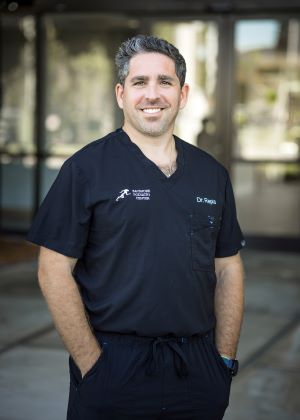
Board certification and specialized training. Dr. Repko’s residency training included advanced rotations through the Cleveland Clinic Foundation, where he gained experience treating complex athletic injuries.
-
Clinical experience with athletes. Volume matters. Ask your provider how many athletes they’ve treated in your sport. A podiatrist who regularly manages running, tennis, pickleball, or other athletic injuries understands the biomechanics and demands of those activities.
-
Advanced diagnostic capabilities. In-office ultrasound can evaluate tendon and ligament injuries, with access to MRI or CT imaging when the case is more complex.
-
Collaboration. Sports injury care may involve physical therapists, orthopedic surgeons, athletic trainers, coaches, or other members of your care team.
Questions Worth Asking
Before choosing a provider, ask:
-
How many athletes with my sport or injury have you treated?
-
What diagnostic tools and advanced therapies do you offer in-office?
-
How do you coordinate with physical therapists and trainers?
-
What does a safe return-to-play plan look like for this injury?
Training Tips for Triathletes
Triathletes face unique foot and ankle challenges due to the extreme demands of their sport. At Bayshore Podiatry, we know how to treat and prevent sports injuries to optimize triathletes’ performance. Potential recommendations for triathletes include:
Cross-Training: Since triathlon competitions include a multitude of athletic skills, incorporating cross-training into your exercise routine can help to avoid developing potential injuries.
Hydration and Nutrition: Triathletes should follow a nutritious diet that supports adequate muscle function and recovery as well as maintain a high level of hydration.
Recovery Strategies: For all athletes, it is recommended that recovery strategies like RICE (rest, ice, compression, elevation), sports massages, proper diet, and adequate sleep should be used during training and after competitions.
Know When to Be Evaluated: Persistent pain, swelling, limping, instability, or an inability to progress training are better reasons to schedule an evaluation than a routine visit without a specific concern.
Schedule a Sports Injury Evaluation in South Tampa
If foot or ankle pain keeps returning—or you are having to change the way you train—let’s identify the actual problem and build a plan that keeps you moving. Call 813-877-6636 or schedule online.