Plantar Fasciitis Treatment Roadmap: What We Try First, Second, and Third Before Surgery
If you’ve had heel pain for more than a few weeks, you’ve probably thought this:
“If it still hurts after a month… I probably need surgery.”
That belief keeps a lot of people in Tampa stuck—either scared of seeing a specialist, or jumping from shoe to shoe and Googling endlessly while the pain slowly takes over their mornings.
Here’s the blunt reality from a heel-pain clinic that treats this all day:
-
Most plantar fasciitis cases do not need surgery.
-
When you follow a structured plan—not random one-off treatments—your odds of avoiding the OR go way up.
At Bayshore Podiatry Center in South Tampa, we use a stepwise roadmap for plantar fasciitis that moves from simple changes to advanced treatments before we ever talk about surgery.
This is exactly how we approach plantar fasciitis for runners on Bayshore, nurses on their feet at TGH, and busy parents all over Tampa Bay.

Step 0: Get the Diagnosis Right (Before You Treat the Wrong Thing)
Before any “steps,” we make sure we’re actually dealing with plantar fasciitis and not:
-
A plantar fascia tear
-
A stress fracture
-
Nerve entrapment
-
A systemic issue (inflammatory arthritis, etc.)
That means:
-
Detailed history: where it hurts, how it started, what makes it worse or better
-
Physical exam: palpation, strength, tightness, foot structure, gait
-
Imaging when appropriate:
-
X-ray to look at bone, heel spur, arthritis
-
Ultrasound to look directly at the plantar fascia thickness and quality
-
If you want a deeper dive into the condition itself and treatment options, start here:
Once we’re confident it’s plantar fasciitis—and not something more serious—we follow a clear treatment ladder.
Step 1: Load Changes, Stretching, and Footwear Tweaks
This is the foundation for almost everyone who walks into our Tampa office with heel pain.
What we do first
-
Adjust load, not your entire life.
-
Often we don’t tell you to “stop everything.”
-
We reduce the spikes in load: long runs stacked together, sudden hill blocks, standing all day in bad shoes, etc.
-
For workers on their feet all day (nurses, teachers, bartenders), we look at how to break up continuous standing and walking.
-
-
Dial in footwear.
-
We check what you’re actually wearing—at work, at home, and when you exercise.
-
Often we recommend:
-
A more supportive, cushioned shoe with a stable base
-
Avoiding completely flat, unsupportive footwear (flip-flops, worn-out sneakers)
-
-
We may start with over-the-counter inserts that we know work well for many patients before jumping straight to custom orthotics.
-
-
Start a simple stretching routine.
-
Calf/Achilles stretching
-
Gentle plantar fascia stretching
-
Frequency matters more than intensity—multiple short sessions per day instead of one aggressive stretch at night.
-
-
Basic pain control, smartly used.
-
Ice or contrast therapy
-
Short-term anti-inflammatories when appropriate
-
Sometimes a short period in a walking boot for very acute, high-pain cases
-
How long we stay in Step 1
-
Roughly 3–6 weeks, as long as:
-
Pain is trending downward
-
Morning pain is slowly improving
-
You’re able to function better week to week
-
If you’re doing all of the above consistently and still waking up every morning feeling like you’re stepping on a nail, we don’t just keep yelling “stretch more.” We escalate.
Step 2: Orthotics, Taping, Night Splints, and PT-Style Exercises
Step 2 is where we get more targeted about how your foot handles load. This is where the tissue-stress model really comes in.
Orthotics and support
-
We decide whether you need:
-
Optimized OTC inserts (often enough for many patients), or
-
Custom orthotics when your structure, job demands, or activity level justify it.
-
We’re not throwing orthotics at every foot that walks in the door. The question is:
“Do we need to change where and how the load hits the plantar fascia to give it a chance to heal?”
You can read more about our orthotic philosophy here
Taping and night splints
-
Taping:
-
Used as a short-term “preview” of what support and off-loading can do.
-
If you feel dramatically better taped, that’s a strong sign you’ll benefit from more structured support (orthotics, bracing).
-
-
Night splints:
-
Helpful for people with brutal morning pain.
-
Keeps the calf and plantar fascia gently lengthened overnight to reduce that “first step” scream.
-
PT-style exercise progression
This is where a lot of cookie-cutter plans fall apart—they either under-dose or over-dose the exercise.
We typically program:
-
Calf strength work (gastroc and soleus)
-
Foot intrinsic strengthening (short foot exercises, towel curls, etc.)
-
Progressive loading of the plantar fascia as tolerance improves
The goal isn’t just to calm tissue down, but to build capacity so you’re less likely to flare up again when life ramps back up.
How long we stay in Step 2
-
Generally 6–8 weeks with regular follow-up.
-
We’re looking for:
-
Clear improvement in morning pain
-
Better tolerance for standing/walking
-
Less “payback” after activity
-
If you’re still significantly limited after a solid Step 1 + Step 2 run, that’s when we discuss advanced non-surgical options.
Step 3: MLS Laser, Shockwave, and Targeted Injections
This is where we bring in the technology and regenerative tools that most primary care offices and many podiatry clinics don’t offer.
We almost always do this before talking about surgery.
MLS Laser Therapy
MLS laser uses specific wavelengths of light to:
-
Decrease inflammation
-
Improve microcirculation
-
Promote tissue repair
For plantar fasciitis, we use MLS:
-
To speed healing in more acute or subacute cases
-
Often in combination with orthotics and exercise
-
Typically as a series of sessions over several weeks
Learn more about MLS laser here
Focused Shockwave Therapy
For stubborn, chronic plantar fasciitis, focused shockwave is one of our workhorses.
In plain terms, it:
-
Uses targeted acoustic waves to “restart” the stalled healing process
-
Increases blood flow and growth factors in the damaged area
-
Helps break the chronic pain cycle
At Bayshore Podiatry Center, we use focused (not radial) shockwave protocols specifically for:
-
Chronic plantar fasciitis that hasn’t responded to earlier steps
-
Insertional Achilles issues
-
Other tendon and fascia problems
You can read more about how we use it here
Injections: Steroid vs. Regenerative
We’re conservative with injections, but they’re absolutely on the table when used correctly.
Steroid injections:
-
Can provide strong short-term pain relief
-
We limit frequency and dose because of potential tissue-weakening risks if overused
-
Sometimes useful for very inflamed cases that aren’t calming down
Regenerative options (e.g., Wharton’s Jelly):
-
Designed to support healing rather than just numb pain
-
We typically reserve these for:
-
Chronic, recalcitrant plantar fasciitis
-
Patients who want an aggressive non-surgical route before considering the OR
-
-
Often combined with shockwave, MLS, and a structured rehab plan
How long Step 3 takes
-
Typically 4–8 weeks of active treatment, depending on:
-
How chronic the problem is
-
Which modalities we’re using (MLS, shockwave, injections)
-
Your overall health and activity demands
-
Most patients who make it to Step 3 and follow the full plan see substantial improvement without surgery.
Step 4: When We Actually Talk About Surgery (And Why It’s Rare)
Surgery for plantar fasciitis is rare in our practice—and that’s by design.
We reserve surgical discussions for patients who:
-
Have had 6–12+ months of well-executed conservative care
-
Still have life-limiting pain that clearly traces back to the plantar fascia
-
Have been properly imaged and worked up to rule out other causes
-
Understand the real recovery timeline and tradeoffs
Surgical options might include:
-
Partial plantar fasciotomy (releasing part of the fascia)
-
Gastrocnemius recession (lengthening a tight calf muscle) in select cases
Even when surgery is considered, we still:
-
Use the same tissue-stress logic for rehab
-
Emphasize strengthening and load management afterward
-
Keep you looped into what to expect at each phase, not just “see you at 6 weeks.”
Our goal is simple:
Use surgery as a last resort, not the first reaction to a painful heel.
How Long Should You Spend at Each Step Before Escalating?
These are general guidelines—not rigid rules—but here’s how we typically think about timing:
-
Step 1 (load, footwear, basic stretches):
-
3–6 weeks
-
Escalate if there’s no meaningful improvement or if pain is severe from the start.
-
-
Step 2 (orthotics, taping, night splints, exercises):
-
6–8 weeks
-
Escalate if you’re still significantly limited in daily life or work.
-
-
Step 3 (MLS, shockwave, injections):
-
4–8 weeks
-
Escalate to surgical conversation only if pain remains disabling and imaging supports that the plantar fascia is still the primary culprit.
-
The key is progress over time. We don’t expect you to be cured in 10 days. We do expect to see a clear trajectory in the right direction as we move through the roadmap.
Why Cookie-Cutter Plans Fail (and Personalized Plans Work Better)
If you’ve already tried “the usual stuff”—a random brace from Amazon, generic stretches from YouTube, one cortisone shot in an urgent care—and you’re still in pain, it’s not because plantar fasciitis is untreatable.
It’s usually because the plan was:
-
Fragmented: one tool used in isolation
-
Too generic: not based on your foot type, job, or activity level
-
Poorly sequenced: jumping straight to a shot or boot without building the foundation
Our approach at Bayshore Podiatry Center is different because we:
-
Use the tissue-stress model to understand exactly where the overload is coming from
-
Match the step to your current tissue health, not just your X-ray
-
Combine mechanical solutions (orthotics, footwear, load) with biologic tools (MLS, shockwave, regenerative injections) as needed
-
Adjust based on your goals: running ultramarathons vs. simply getting through a Disney day with grandkids
If you want to see how we think about this more broadly, you can also read my bio and treatment philosophy here:
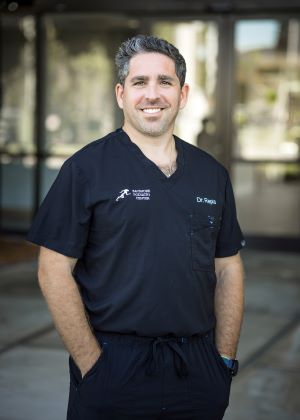
Dr. Repko's Biography
Next Steps If You’re Still Limping Around Tampa
If you’re in South Tampa, Westchase, Brandon, or anywhere around Tampa Bay and your heel pain hasn’t budged, here’s how I’d approach it:
1. Educate Yourself on the Full Treatment Spectrum
Start with our dedicated plantar fasciitis resources:
2. Learn About Your Advanced Options
If you’ve already tried basic measures and you’re still stuck, read more about the advanced non-surgical tools we use in Step 3:
3. Get a Structured Plan Instead of More Guesswork
If you’re tired of stabbing morning pain, “rest and hope,” and inconsistent advice, it’s time for an actual roadmap tailored to you.
You can:
-
Call our South Tampa office at 813-877-6636, or
-
Request an appointment directly from any page on our site, including the plantar fasciitis page above.
If you’d like a broader overview of how to choose the right foot specialist in Tampa before you commit, grab our free report:
-
Free report on finding the right Tampa foot specialist:
https://www.bayshorepodiatry.com/reports/finding-a-podiatrist-near-you-bayshore-podiatry-center-in-tampa-fl.cfm
You don’t need to jump to surgery just because your heel hurts and it’s been “a while.” With a clear, step-by-step plan and access to the right tools, most plantar fasciitis cases in Tampa can be handled without an incision.
If you’re ready to stop guessing and start following a real roadmap, that’s what we do every day.