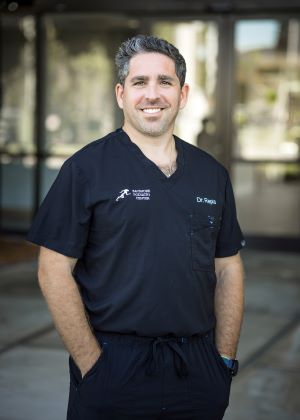
A parent’s guide from Bayshore Podiatry Center in South Tampa.

Quick take
- Intoeing (“pigeon-toed”) is usually a normal developmental pattern.
- Most children improve over time without braces, special shoes, or expensive interventions.
- Pain, worsening over time, significant asymmetry, or functional limitation deserve evaluation.
Table of contents
- Why children walk “toed in” or “toed out”
- The common causes by age
- What’s normal vs concerning
- What you can do at home
- How we evaluate gait concerns
- Myths and misconceptions
- FAQs
- Sources
Why children walk toed in or toed out
Kids are growing rapidly, and their bones rotate and remodel as they develop. The foot position you see while walking can reflect:
- The shape of the forefoot
- Rotation of the lower leg
- Rotation at the hip
Most gait “variations” in young children are not diseases. They are developmental patterns.
The common causes by age
Infants: metatarsus adductus
The front of the foot curves inward. Many cases are flexible and improve on their own.
Toddlers: internal tibial torsion
The lower leg rotates inward and the feet point in. This often improves as children grow.
Ages 3–6: femoral anteversion
The hip rotates inward and the knees and feet may point in. Many children improve gradually over time.
Out-toeing
Out-toeing can occur as a developmental variant, but persistent out-toeing with pain, limping, or asymmetry should be evaluated.
What’s normal vs concerning
Usually normal
- No pain
- Child is active and not limited
- Symmetric pattern (both sides similar)
- Not getting worse over time
Concerning signs
- Pain, limping, or refusal to participate in activities
- One-sided or strongly asymmetric gait
- Progressive worsening
- Frequent falling beyond what seems age-appropriate
- Any associated neurologic concerns (weakness, unusual stiffness)
Have concerns and want an evaluation now? Book here!
What you can do at home
1) Don’t fight the gait all day
Constant reminders rarely help and often increase stress.
2) Focus on function
Encourage normal play, coordination, and strength development.

3) Shoe basics
Choose shoes that fit well and don’t force the foot into an unnatural position. Avoid rigid “corrective” shoes marketed for gait correction.
If you’re seeing pain or functional limitation, it’s time for a targeted evaluation.
How we evaluate gait concerns in clinic
We evaluate the entire lower extremity, not just the foot.
- Forefoot shape and flexibility
- Tibial torsion
- Hip rotation
- Functional movement and balance
- Shoe wear patterns and activity level
Most children need reassurance and monitoring, not aggressive treatment.
Myths and misconceptions
Myth: “Intoeing means something is wrong with the feet.”
Truth: The source is often the leg or hip rotation, not the foot itself.
Myth: “Special shoes or braces fix intoeing.”
Truth: For most developmental cases, time and growth matter more than devices.
Myth: “Every intoeing child needs physical therapy.”
Truth: Many do not. Therapy is most helpful when there is functional limitation, pain, or an associated developmental concern.
FAQs
Will my child outgrow intoeing?
Many do. The timeline depends on the cause and age.
Is intoeing harmful?
Usually no. The main reasons to intervene are pain, functional limitations, or atypical patterns.
When should we see a specialist?
If you see pain, limping, worsening, strong asymmetry, or you simply want clarity on the cause.
When to book an evaluation
If your child’s gait is causing pain, limiting sports, or you’re seeing red flags, we can help you sort out what’s normal and what needs treatment.
Bayshore Podiatry Center serves families across South Tampa and Hyde Park. Book your appointment here!
Medical disclaimer
This article is for educational information only and does not consitute medical direction, diagnosis or treatment.
Sources
- Sielatycki JA, et al. Intoeing and outtoeing in children (clinical review)
- Staheli LT, et al. Lower-extremity rotational problems in children (classic review)
- POSNA Study Guide: Metatarsus Adductus
- AAOS OrthoInfo: Intoeing