If you run around South Tampa long enough—up and down Bayshore Boulevard, through Hyde Park, along the Riverwalk—you eventually hear the same story:
“I went to the running store.
I got ‘good’ shoes.
I did what they told me.
And my feet still hurt.”
A recent South Tampa runner in our clinic is the perfect example.
She’s a 38-year-old local runner logging 20–30 miles per week on Bayshore. She did everything “right”:
-
Went to a specialty running shop
-
Got a high-end, well-reviewed shoe
-
Was fitted by staff on a treadmill
-
Paid extra for inserts
Six weeks later, her plantar fasciitis was screaming.
The problem wasn’t the brand. It was how she was using her shoes—and a few mistakes almost every Tampa runner makes at some point. The shoe itself was fine. The setup was not.
Let’s wallk through the five big ones I see in the clinic every week.

Mistake #1: Chasing Cushion Instead of Fit and Function
Tampa runners love cushion. Our sidewalks and roads are unforgiving, and the industry has spent a decade selling the idea that “more foam = more protection.”
Here’s the truth: too much soft cushion can actually make pain worse, especially if you have plantar fasciitis, flat feet, or tendon issues.
Common problems I see:
-
Stack-height monsters: They feel great for the first mile, but make your foot work harder to find stability.
-
The “sinking” effect: Shoes so soft that your heel sinks and twists with every step.
-
Cloud-chasing: Choosing shoes purely on “step-in feel” rather than how your foot and leg track when you land.
What matters more than raw softness:
-
Fit: Snug in the heel, secure through the arch/midfoot, appropriate room in the toes.
-
Function: Does your foot stay reasonably controlled, or do you visibly collapse inward/outward with each step?
-
Your mechanics, not the marketing: A fancy midsole is useless if your foot and gait are fighting it every step.
The Fix: Prioritize fit and function over foam. Cushion should support how your foot moves, not hide bad mechanics.
If you want a deeper dive on matching shoe features to your foot type and injury history, start with our full guide:
Best Running Shoes for Foot Pain 2025: A Podiatrist’s Guide.
Mistake #2: Ignoring Toe Box Width and Forefoot Shape
This is a massive issue for South Tampa runners who work office jobs. You spend all day in narrow dress shoes, then squeeze into tapered running shoes at night. Over time, you end up with:
-
Bunions
-
Neuromas
-
Nagging, burning forefoot pain
Your forefoot needs room to spread out and load. When the shoe narrows and pushes the big toe inward or squeezes the lesser toes, you’re adding constant side pressure on joints, ligaments, and nerves that are already taking a beating.
Red flags your toe box is wrong:
-
Numbness, tingling, or burning between the toes while running
-
The upper fabric bulging over your bunion or pinky toe
-
You have to “size up” in length just to get enough width
-
Calluses or blisters along the sides of your toes
The Fix: You don’t need a clown shoe, but you do need a toe box shape that matches your actual foot anatomy—especially if you already have bunions or a wide forefoot. The right forefoot shape often does more for comfort than any “support” feature on the box.
Mistake #3: Sticking With “Dead” Shoes Too Long
Running shoes are not lifetime equipment.
Most standard trainers last around 300–500 miles before the midsole foam breaks down. After that, the shoe may look fine, but the rebound is gone. The impact is no longer being absorbed by the foam—it’s going straight into your plantar fascia, Achilles, and knees.
Signs your shoes are dead:
-
New or worsening pain without any real training change
-
You feel every crack in the Bayshore sidewalk that you didn’t notice before
-
The midsole feels “packed down” and hard instead of slightly springy
-
The outsole is worn flat where you land
If you’re running in South Tampa heat and humidity, that breakdown can happen even faster.
The Fix:
-
If you run about 20 miles per week, plan to replace shoes every 4–6 months.
-
If you’re closer to 35+ miles per week, it’s more like 3–4 months.
You don’t need to obsess over exact mileage, but if you’re still in the same pair you raced in a year ago and you’re wondering why your heel hurts, that’s your answer.
Mistake #4: Using One Shoe for Every Run and Every Surface
A lot of Tampa runners do everything in one pair:
-
Bayshore Boulevard concrete
-
Riverwalk bricks
-
Neighborhood loops around Hyde Park
-
Gym treadmill
-
Tempo runs and races
Can you get away with that for a while? Sure. But if you’re battling stubborn plantar fasciitis, Achilles tendinopathy, or recurring “mystery” foot pain, this matters more than people want to admit.
Rotating between different running shoes changes how stress is distributed through the foot and leg and gives the foam time to recover between runs. Over time, that can reduce injury risk and calm down irritated tissue.
A simple rotation strategy:
-
Daily trainer: Your standard, reliable workhorse shoe.
-
Speed / lighter shoe: For tempo days, intervals, or races.
-
Recovery / soft shoe: For easy days or treadmill use.
You don’t need a closet full of shoes. You just need enough variety that the exact same spot in your plantar fascia or Achilles isn’t taking the same hit, in the same way, every single run.
If these mistakes are flaring heel pain or plantar fasciitis, it’s worth reading more about how we approach it step-by-step in our plantar fasciitis and heel pain resources, including our FAQ on whether foods can affect inflammation:
Can the Foods You Eat Affect Plantar Fasciitis?.
Mistake #5: Letting “Stability vs. Neutral” Marketing Override Comfort and Exam Findings
This is where a lot of people get stuck.
You go to the store. A clerk watches you jog for 10 seconds and declares you a “stability” or “neutral” runner. Suddenly your entire shoe world gets split into two buckets based on oversimplified marketing language.
Real life is rarely that black and white.
-
Mild pronation is normal. Your foot is supposed to roll in a bit to absorb shock.
-
Some flat-footed runners do perfectly well in “neutral” shoes if the rest of their mechanics and strength are solid.
-
Some high-arched, “neutral on video” runners still need more structure because of how their tissues are tolerating load.
What actually matters in the clinic:
-
How your foot, ankle, and leg line up under real-world load
-
Your history: prior stress fractures, chronic plantar fasciitis, tendonitis, arthritis
-
Strength, mobility, and what your imaging (X-ray, ultrasound) shows at the painful area
The Fix: Trust your body—and your exam—over the box.
If a stability shoe feels like a brick, but your foot is calm and happy in a structured neutral model, that’s the right shoe for you. Clinical findings and comfort beat marketing categories every time.
When to Just Swap Shoes vs. When to See a Podiatrist
There are plenty of times when a simple shoe change is enough and you don’t need to see me right away.
You can usually start with self-management (shoe swap, slight rest, ice) if:
-
Pain is mild and only shows up during or right after runs
-
You recently changed shoes or ramped up mileage or hills quickly
-
There’s no bruising, significant swelling, or night pain
-
Pain improves quickly with a few easy days or cross-training
In that situation, your first steps are:
-
Check shoe age and mileage. If you’re beyond roughly 300–500 miles, retire them.
-
Evaluate fit and toe box. If you’re crammed in the front or sliding around, fix that first.
-
Stop using one shoe for everything. Add a second pair and alternate, especially if you’re running 4+ days per week.
-
Dial back load temporarily. Slammed, last-minute long runs to “make up” missed mileage are a great way to end up limping into the office.
You should see a podiatrist—preferably one who treats runners all day—if:
-
The pain is sharp, focal, or worsening despite rest and shoe changes
-
You feel pain with every step, not just when running
-
There is visible swelling, bruising, or warmth
-
You’ve already tried 2–3 different shoe types with no real relief
-
You’re missing races or long runs because you can’t push past the first couple miles
At that point, we’re past “shoe tweak” territory. We need to:
-
Rule out stress fractures, tears, or significant arthritis
-
Use ultrasound or X-ray when appropriate
-
Look at your mechanics, strength, and training history
-
Build a real treatment plan that might include custom orthotics, taping, structured rehab, MLS laser, shockwave, or injections depending on the diagnosis
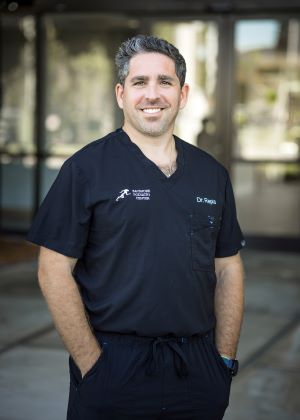
As a board-certified podiatrist here in Tampa who also runs many of the same Bayshore and Hyde Park routes my patients do, I’m not guessing based on shoe ads. We use exam findings, imaging when needed, and your training history to match shoes and treatment to your foot, not a marketing label.
Next Steps for Tampa Runners Still in Foot Pain
If your feet are barking despite “good” shoes, you have options that don’t involve quitting running or jumping straight to surgery.
1. Read the Shoe Guide
Start with a deeper dive into matching shoes to your foot, injury history, and goals:
Best Running Shoes for Foot Pain 2025: A Podiatrist’s Guide
2. Get a Real Diagnosis
If pain has lingered for more than a few weeks, or you’ve already tried swapping shoes without improvement, it’s time for an evaluation.
At Bayshore Podiatry Center in Hyde Park, we see runners from South Tampa, MacDill, Westchase, Brandon, and across the Tampa Bay area. We’ll look at:
-
Your shoes
-
Your gait and mechanics
-
Your imaging (when needed)
-
Your training history and upcoming race goals
Then we’ll build a plan to calm down the tissue and keep you moving as much as possible while it heals.
3. Download Our Free Tampa Foot Specialists Report
If you’re not quite ready to book a visit, you can still get educated.
Download our free report:
Tampa Foot Specialists Report
You’ll learn what to look for in a foot and ankle specialist, what to expect from treatment, and how to avoid getting stuck in the cycle of rest → run → pain → repeat.
If your “good” shoes aren’t cutting it, don’t just keep grinding out painful miles and hoping it magically disappears. With the right combination of shoe choice, training changes, and targeted treatment, most runners we see are back to comfortable mileage without surgery.
And if you see me running Bayshore after clinic, feel free to say hi—just don’t make me inspect your shoes in the middle of the sidewalk.